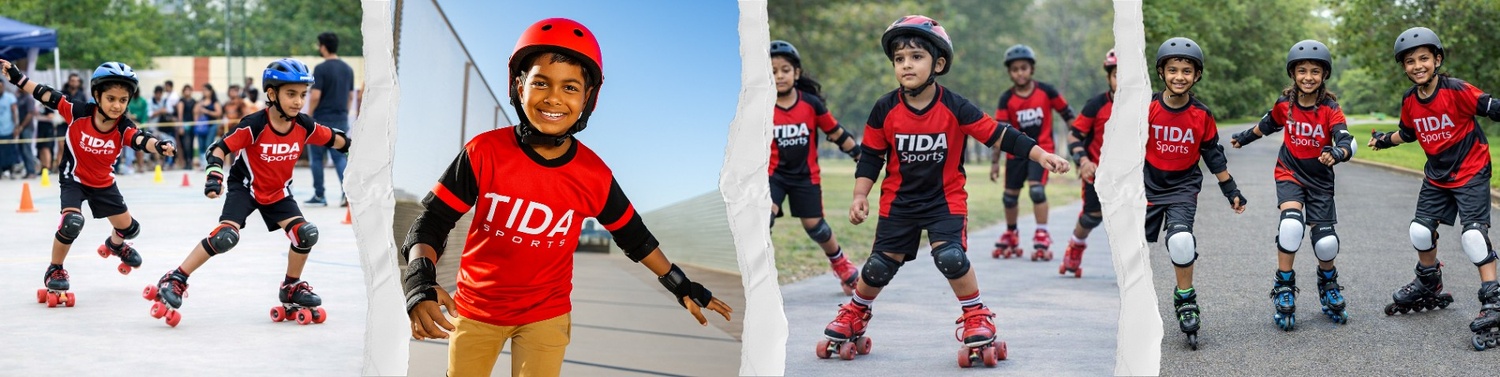
Skating is becoming one of the most popular sports for children in India. From roller skating to inline skating, parents are enrolling their kids in skating academies to improve fitness, balance, and confidence. But not all skating classes are the same. Structured skating training for kids in India ensures safe, systematic, and professional development.
In 2026, parents are looking for more than just basic skating lessons. They want safe sports training, certified coaches, proper skating equipment, and step-by-step skill progression. A structured skating program helps children grow physically, mentally, and emotionally while enjoying the sport.
Why Structured Skating Training Is Important
Many children start skating casually in parks or open grounds. While this builds interest, it does not provide proper technique or safety guidance. Structured skating coaching ensures that kids learn correctly from the beginning.
Professional skating training focuses on:
- Proper body posture
- Safe balance techniques
- Controlled speed development
- Step-by-step skill progression
- Age-appropriate drills
Without structured training, children may develop incorrect habits that are difficult to fix later. A certified skating academy ensures that every child learns safely and efficiently.
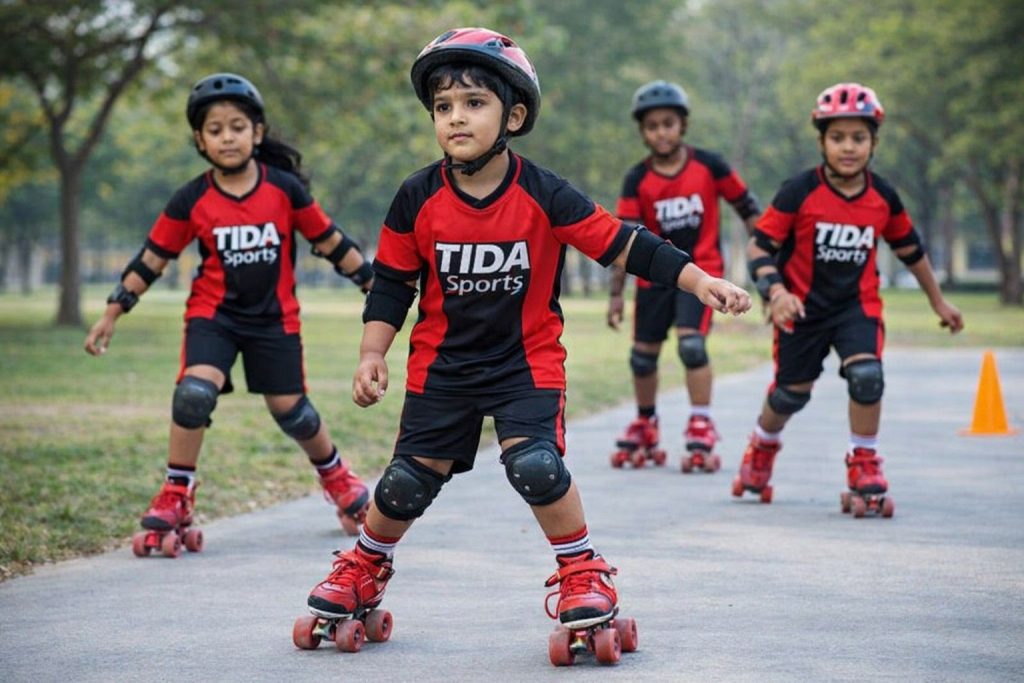
Here are some of the finest Skating academies in Punjab: “Best Skating Academies in Punjab”
What Makes a Skating Program “Structured”?
A structured skating academy follows a planned curriculum designed for different age groups and skill levels. Training is not random. Every session has clear goals.
Key Elements of Structured Skating Training
- Warm-up and flexibility exercises
- Balance and coordination drills
- Speed control practice
- Turning and stopping techniques
- Skill-based progression levels
- Safety equipment checks
- Regular performance assessments
This systematic approach helps children move from beginner level to advanced skating confidently.
Age-Wise Structured Skating Training in India
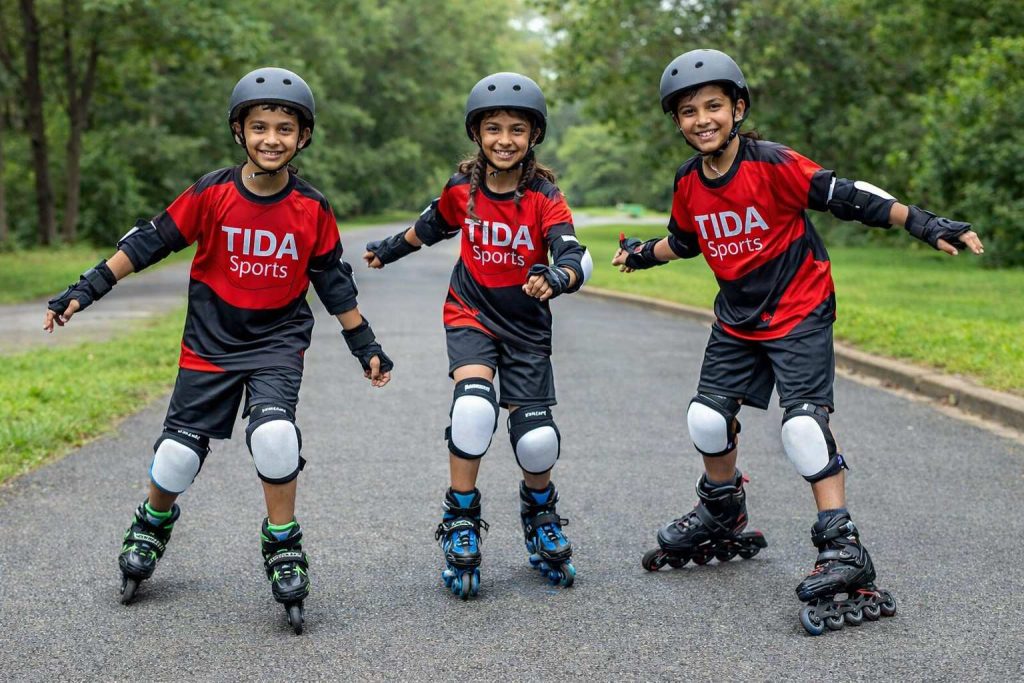
Different age groups require different training methods. A professional kids skating academy designs programs based on child development stages.
Ages 4–6 (Foundation Stage)
At this stage, focus is on:
- Basic balance
- Walking on skates
- Fun coordination games
- Confidence building
Training sessions are short and playful to keep children engaged.
Ages 7–10 (Skill Development Stage)
Children start learning:
- Proper skating posture
- Controlled gliding
- Safe braking techniques
- Simple turns
- Basic racing drills
This stage builds strong fundamentals in roller skating training.
Ages 11–15 (Performance Stage)
At this level, structured skating coaching includes:
- Speed skating drills
- Advanced turns and crossovers
- Endurance training
- Competitive preparation
- Performance tracking
Kids who show talent can begin preparing for district and state-level competitions.
Safety Standards in Structured Skating Training
Safety is the most important part of children’s sports training. A structured skating academy in India ensures:
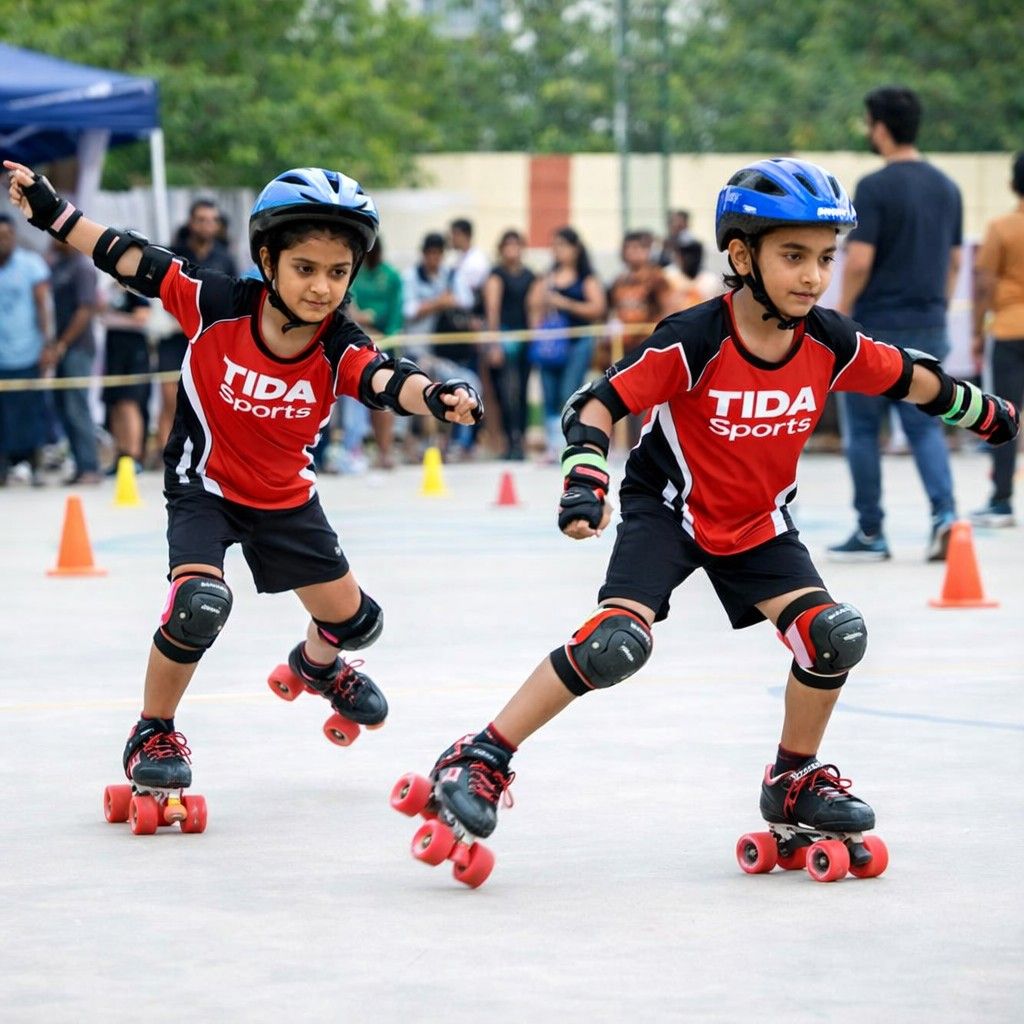
- Helmet is mandatory
- Knee and elbow guards are compulsory
- Proper skating shoes fitting
- Safe training surface
- Coach supervision at all times
- Emergency preparedness
Safe skating training builds parent confidence and reduces injury risk.
Physical Benefits of Structured Skating Training
Here are some of the finest Skating academies in India: “Best Skating Academies in India”
Skating is one of the best fitness sports for kids. Regular structured training improves:
- Balance and coordination
- Leg strength
- Core muscle development
- Cardiovascular fitness
- Flexibility
- Agility
Unlike screen time activities, skating keeps children active and energetic.
Mental and Emotional Benefits
Structured sports training does more than improve physical health. Skating also develops:
- Self-confidence
- Discipline
- Focus
- Goal-setting ability
- Social interaction
- Stress reduction
When children achieve skating milestones, they feel proud and motivated.
Role of Certified Coaches in Skating Academies
Professional skating coaching plays a huge role in child development. Certified coaches understand:
- Child psychology
- Age-appropriate drills
- Safe progression methods
- Performance evaluation
- Competition preparation
A structured skating academy does not rush children. It focuses on consistent and safe growth.
Difference Between Casual Skating and Structured Training
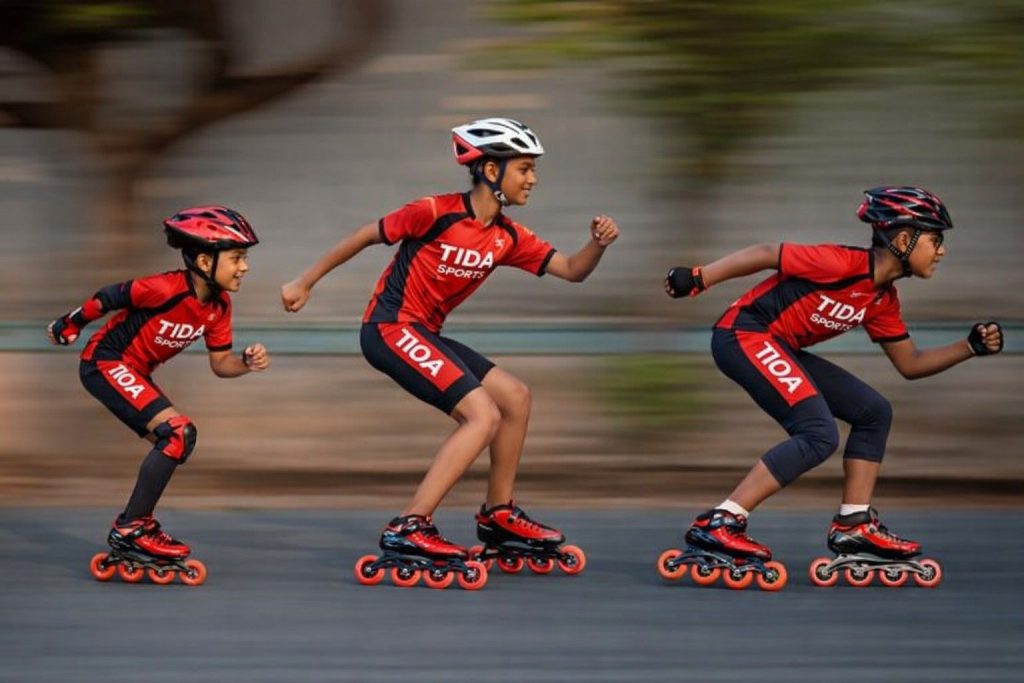
Many parents think skating in parks is enough. However, there is a big difference between casual practice and professional skating training.
Casual Skating
- No fixed curriculum
- Limited safety supervision
- No skill assessment
- Random practice
Structured Skating Training
- Planned sessions
- Certified coaching
- Safety standards
- Skill tracking
- Competition readiness
Structured training ensures long-term sports development in India.
Competitive Opportunities in Skating
With structured skating coaching, children can participate in:
- School competitions
- District championships
- State tournaments
- National skating events
India’s skating scene is growing rapidly in 2026. Structured training gives kids the right foundation to compete confidently.
How Parents Can Support Skating Development
Parents play an important role in their child’s skating journey.
They should:
- Encourage regular practice
- Ensure proper nutrition
- Avoid pressuring for quick results
- Maintain discipline and attendance
- Choose a professional skating academy
Support at home combined with structured academy training creates the best results.
How to Choose the Best Skating Academy in India
Before enrolling your child, check:
- Certified and experienced coaches
- Safe skating surface
- Proper protective gear rules
- Structured curriculum
- Batch size control
- Regular assessments
- Positive learning environment
A well-organized kids sports academy focuses on safety, structure, and skill development.
Final Thoughts
Structured skating training for kids in India is more than just learning how to skate. It is about building balance, confidence, discipline, and physical fitness in a safe and professional environment.
In 2026, parents are choosing organized sports academies that offer systematic training rather than random practice. A structured skating program ensures that children learn the right technique, avoid injuries, and grow into confident young athletes.
Skating is not just a hobby — with proper guidance and structured coaching, it can become a lifelong passion and even a competitive sport.
FAQ – Structured Skating Training
1. At what age can kids start structured skating training?
Children can start as early as 4 years old with beginner-level skating programs.
2. Is skating safe for young children?
Yes, with proper protective gear and certified coaching, skating is safe.
3. How many days per week should kids train?
2–4 sessions per week are ideal for steady progress.
4. Does skating improve fitness?
Yes, skating improves balance, strength, and cardiovascular health.
5. Can skating lead to competitions?
Yes, structured training prepares kids for district, state, and national events.
6. What equipment is required?
Helmet, knee guards, elbow guards, wrist guards, and proper skating shoes.
7. How long does it take to learn skating?
Basic skating can be learned in 2–3 months with regular structured training.
Looking to get started?
Visit TIDA sports center, visit TIDA sports website, or learn about academy sports football and athletic director training opportunities today! Let your child grow up with the world’s most popular sports – the right way.
Download App Links:
How to book a Sport Slot using the TIDA Sport App
Easily book sports venues with the TIDA Sports App: real-time availability, secure payments, and more!
Read More
How to Book an Academy with TIDA Sports
Book a sports academy with TIDA Sports easily through our app, offering expert coaching and local options.
Read More
How TIDA Sports Boosts Kids’ Growth and Development
TIDA Sports offers expert coaching, 15+ sports, and a focus on kids' physical, mental, and social development for a brighter...
Read More