Posted on Leave a comment

Rules of Dance for Every Dancer | TIDA Sports

TIDA Dance Academy

Dancing is an entertaining form of expression. It involves practice, discipline, and respect. Regardless of whether you are starting or you have been dancing for decades, if you follow some basic rules, you can develop your skills and dance even better. The rules that I am about to tell you are relevant to dance classes, dance schools, and dance competitions. Let’s go through the most important rules every dancer should know.

1. Dress Up for Dancing Correctly

Indian Kid Dancing

Dressing properly makes you dance safely and easily. There is a dressing code for each dance style:

  • Ballet: Leotard, tights, ballet shoes
  • Hip-hop: Loose clothing, sneakers
  • Salsa: Comfortable clothing, dance shoes
  • Contemporary: Fitted clothes, soft shoes or barefoot Wearing the right outfit helps you move better and prevents injuries.

2. Respect the Dance Floor

The dance floor is intended for dancing, so maintain its cleanliness and eliminate objects that will cause tripping. Don’t wear street footwear on the dance floor as this will cause dirt or slippery surface.

3. Obey Dance Class Rules

If you visit a dance academy or class, don’t forget these basic guidelines:

  • Arrive punctually.
  • Obey your instructor.
  • Don’t speak when class is in session.
  • Maintain personal hygiene and use deodorant.
  • Be respectful towards other dancers.
Girl Dancing

4. Stand Upright and Maintain Good Posture

Good posture is necessary for every dance. Keep your shoulders loose, back erect, and belly firm. Poor posture will lead to pain and make movements more difficult.

5. Master the Fundamentals First

Each dance form has fundamental steps. Learn the basic steps before you attempt advanced techniques. Whether you learn hip-hop dance classes near you or take salsa dance classes near you, begin with the basics.

TIDA Sports Dance Academy

6. Warm Up Prior to Dancing and Cool Down Later

Warming up prepares the body to dance and keeps one from getting hurt. Cooling down relaxes your muscles and causes less soreness. Warming up and cooling down are a perfect way to stretch.

7. Move to the Beat

Dancing is just about keeping time. Listen to the music and attempt to coordinate your steps with the rhythm. Dancing to different songs can make you dance better.

8. Be a Good Dance Partner

If you have a partner to dance with, cooperate. Have a good connection, be kind, and be mindful of their space. Do not attempt to control their movement too much.

9. Practice Regularly

Practice makes perfect. Take a dance class or coaching center close to your location to enhance your skills. Frequent practice makes you confident.

Two Indian Kids Dancing

10. Stay Healthy and Drink Water

Dancing is an energy-consuming activity. Drink water in proper quantity, consume healthy food, and have proper sleep to remain active and strong.

11. Obey the Rules in Competition

If you participate in dance competitions, read the rules. Each competition has varying rules regarding time, attire, and judging.

12. Be Confident and Express Yourself

Dancing is not steps; it’s feeling the music. Express your feelings and have fun dancing.

13. Keep Learning and Take Criticism

Even great dancers continue to learn. Listen to your instructors and fellow dancers. Their feedback can make you better.

Best Dance Academies in Tricity

Conclusion

Adhering to these dance rules makes it more enjoyable and safe to dance. If you want to find hip-hop classes nearby, salsa dance classes nearby, or a dance academy nearby, be sure to practice with commitment. Dancing provides many advantages for your body and mind, so it is one of the best sports in Mohali, Chandigarh, Punjab, and across India. Be a part of the sports revolution in India by dancing with zest and enthusiasm!

For more information, check out TIDA Sports Official Website and start your child’s sporting journey today!

Download App Links:

Posted on Leave a comment

Chess Rules Explained: A Beginner’s Guide to the Chess Game

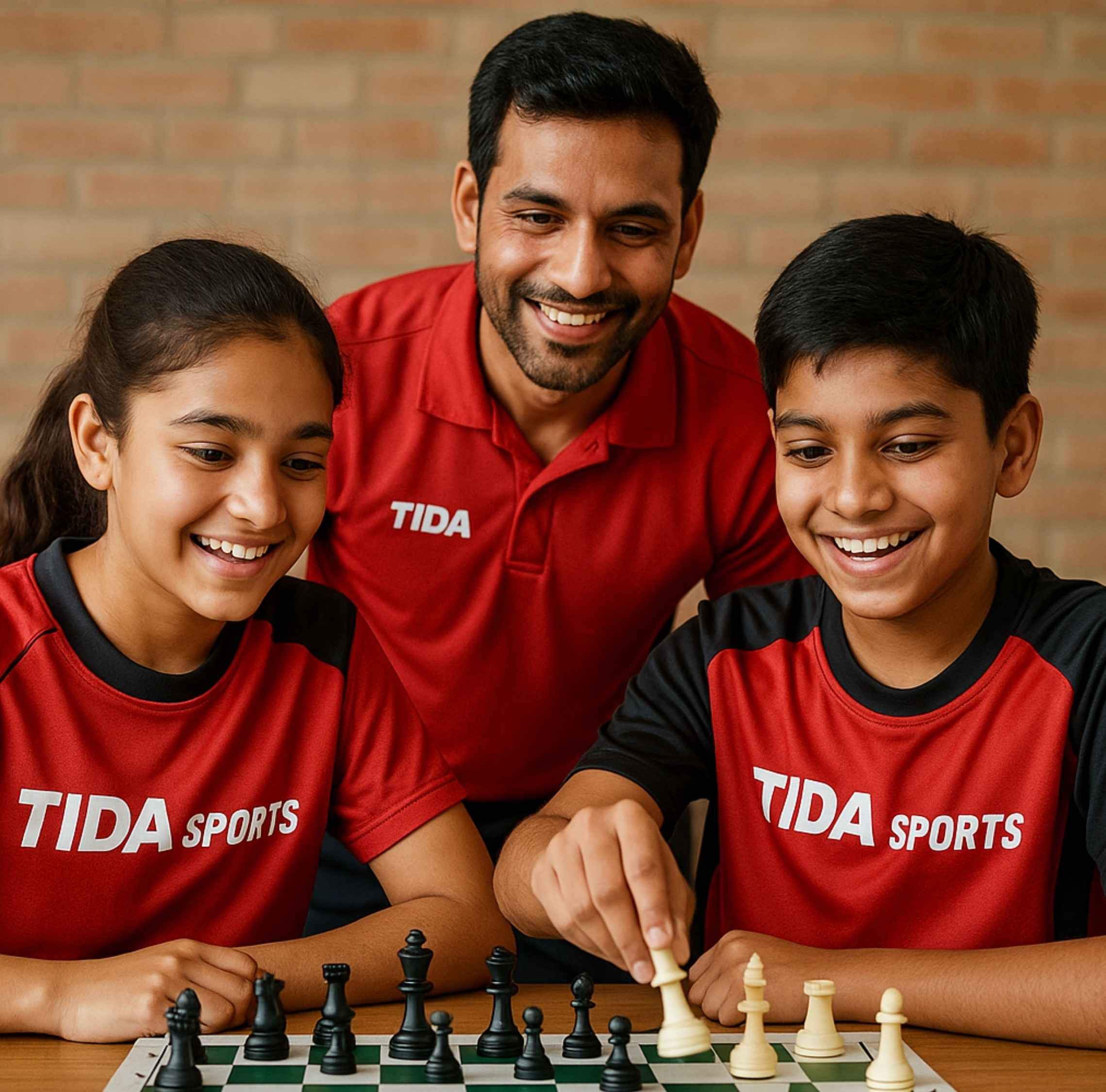
Chess Coaching

Chess is both the oldest and most strategic game in the world. It is enjoyed by millions of individuals, ranging from school children to tournament professionals. Whether you are learning in the home, at a sports academy, or looking for a “sports academy near me” that teaches chess, learning the rules is the beginning of becoming a chess master.

Basic Rules of Chess

1. The Chessboard and Pieces

Chess Board

The game is played on an 8×8 board with 64 squares of alternating colors. Each player starts with 16 pieces:

  • 8 Pawns
  • 1 King
  • 1 Queen
  • 2 Rooks
  • 2 Knights
  • 2 Bishops

2. Initializing the Board

The player puts pieces on their own sides:

  • The rooks are placed in the corners.
  • The knights adjacent to the rooks.
  • The bishops on either side of the knights.
  • The queen is placed on her color (white queen on a white square, black queen on a black square).
  • The king on the side of the queen.
  • The pawns in front of the pieces.
Game start

3. How Each Piece Moves

Chess Match
  • King: One square in any direction.
  • Queen: Any number of squares in any direction.
  • Rook: Horizontally or vertically in straight lines.
  • Bishop: Diagonally any number of squares.
  • Knight: Two squares in one direction and then one perpendicular direction in an “L” shape.
  • Pawn: One square forward but captures on the diagonal.

4. Special Moves

  • Castling: A king and rook move that serves to safeguard the king and also bring the rook into action.
  • En Passant: An unusual pawn capture rule in some specific situations.
  • Pawn Promotion: If a pawn moves to the other side of the board, it can be exchanged for a queen, rook, bishop, or knight.

5. Aim of the Game

The aim of chess is to checkmate the king of your opponent. Checkmate takes place when the king can be captured (in check) and there is no lawful move away from it.

Chess and Sports Academies

Numerous sports academies now include chess in their curricula. If you are seeking a “sports academy near me” that combines chess with football training or cricket coaching, there are several alternatives online. Chess is useful for children in schools as it enhances focus, thinking strategy, and problem-solving skills.

Chess in Tournaments

There is a competitive game of chess played in international and local tournaments. Most sports academies provide training to young people for playing chess tournaments. If you are looking for a sports academy website that provides tournament training, look for ones with qualified coaches and planned training programs.

Advantages of Chess Learning

  • Improves Critical Thinking – Chess enhances decision-making and strategic planning.
  • Improves Memory – Learning moves and strategies improves the brain.
  • Enhances Patience and Concentration – Chess demands intense concentration and planning.
  • Fosters Healthy Competition – Chess tournaments instill a competitive attitude in players.
  • Improves Academic Performance – Chess has been associated with improved problem-solving skills in math.

Finding a Chess Academy Near You

If you’re looking for a sports academy near me that offers chess, football training, or cricket coaching, many sports academies provide multi-sport training. Some top-rated football academies also incorporate chess to develop strategic thinking in young athletes.

You can search for a sports academy website that provides chess as a part of their training. Numerous football training academies near me even provide indoor games such as chess for an evenly balanced learning process.

Conclusion

Chess is not a game; it’s a mental workout that is beneficial for children, students, and professionals. Whether you are looking for a sports academy basketball program, the best football academy near me, or a football academy website, incorporating chess in your life can improve mental quickness. Get to the nearest sports academy today and begin your chess journey!

Looking for the Best Sports Academy Near You?

Take a look at our list of the best sports academies that have top-notch training and recovery schemes! If you’re searching for football academies near me, local cricket academies, or personal sports academies, we’ve got you covered.🚀

Download App Links:

Posted on Leave a comment

Common Sports Injuries and How to Prevent Them

Injury Prevent

Participating in sports is a great way to remain fit and active, but it also carries the risk of injury. Whether you are a novice or a professional player, it is important to know about common sports injuries and how to avoid them. In this blog, we will talk about some of the most common sports injuries, their causes, and how to prevent them. And, we’ll also point out how TIDA Sports keeps athletes injury-free with expert training and advice.

Most Common Sports Injuries

Sports injuries may differ based on the sport and the intensity of physical activity. Some of the most common ones are listed below:

1. Sprains and Strains

  • Causes: Overstretching or tearing of ligaments (sprains) and muscles or tendons (strains)
  • Prevention: Adequate warm-up, stretching, and strength training

2. Knee Injuries

  • Causes: Sudden movements, improper landing techniques, or overuse
  • Prevention: Strengthening exercises, proper footwear, and proper movement techniques

Knee Injuries

3. Shin Splints

  • Causes: Running on hard surfaces, improper footwear, or insufficient warm-up
  • Prevention: Gradual training, cushioned footwear, and frequent stretching

4. Fractures and Dislocations

  • Causes: High-impact impact, falls, or excessive stress on bones
  • Prevention: Protective equipment, muscle strengthening, and proper form

5. Tendinitis

  • Causes: Repetitive movement and overuse of certain muscles
  • Prevention: Balanced training, sufficient rest, and ice treatment for swelling

6. Concussions

  • Causes: Blows to the head, falls, or contact in collision sports
  • Prevention: Helmet wearing, adherence to safety rules, and not taking risky maneuvers

How to Prevent Sports Injuries

Warm-up and Cool down

Prevention is better than cure. The following are a few essential tips for reducing injury risks:

1. Warm-up and Cool down

A good warm-up allows an increase in the flow of blood to muscles that makes them pliable, reduces the possibility of strains. A cool down enables the body’s muscles to recover and reduce the possibility of becoming stiff.

2. Utilize the Appropriate Equipment

Proper sports equipment, including helmets, knee pads, and good fitting shoes, can greatly reduce the risk of injury.

3. Strength and Conditioning Training

Maintaining muscle strength and endurance by working out on a regular basis assists in joint stabilization and decreasing injury possibilities.

4. Stay Hydrated and Maintain Nutrition

Inadequate fluids and a deficiency in essential nutrients cause muscles to become weakened and susceptible to injury. A nutritious diet containing high levels of protein, calcium, and vitamins is critical.

5. Rest and Recovery

Inadequate rest while overtraining can result in injuries. Provide sufficient sleep and recovery days in your training plan.

6. Learn Proper Techniques

Employing proper techniques and form in any sport can avoid unnecessary stress on muscles and joints.

How TIDA Sports Maintains Athletes Injury-Free

We believe in athlete safety and prevention of injury at TIDA Sports by:

  • Professional Coaching: Our coaches teach the correct techniques to minimize the risk of injury.
  • Customized Training Plans: We customize training according to an athlete’s fitness level and strength.
  • State-of-the-Art Facilities: Our state-of-the-art training facilities are comprised of world-class equipment and recovery technology.
  • Rehabilitation Support: We offer rehabilitation programs and physiotherapy to help athletes return stronger from injury.

Conclusion

Injury to sports occurs but can be avoided with the right knowledge and practice. Accurate warm-up, protective attire, and effective rest and rehabilitation can allow for risk reduction and peak performance for athletes. At TIDA Sports, we hold the promise to keep young sports persons injury-free through professional instruction and world-class facilities.

Posted on Leave a comment

How Sports Academies Shape Future Champions

Tida Sports

Sports academies are at the forefront of developing young sportsmen into international-standard champions. With systematic training systems, international-class facilities, and expert coaches, sports academies shape future champions. In this article, we highlight why sports academies are essential, how they help develop an athlete, and how TIDA Sports is developing future sportsmen.

How Sports Academies Develop Future Champions

Sports academies are at the forefront of developing young sportsmen into international-standard champions. With systematic training systems, international-class facilities, and expert coaches, sports academies provide the ultimate platform for aspiring sports stars. In this article, we highlight why sports academies are essential, how they help develop an athlete, and how TIDA Sports is developing future sportsmen.

Contribution of Sports Academies in the Development of Athletes

A well-established sports academy offers intensive training and coaching to ensure that future athletes receive the best training to excel in their respective sports. This is how sports academies contribute to the development of future champions:

1. Experienced Coaching and Guidance

One of the benefits of studying at a sports academy is that there is exposure to experienced coaches with full knowledge of the sport. These experienced coaches help the players acquire technical skills, game strategy, and physical fitness.

At TIDA Sports, we provide quality coaching that enables players to hone their skills and reach their full potential.

2. State-of-the-Art Facilities

New sports academies have s training facilities, such as:

  • High-quality playing surfaces
  • Sophisticated gymnasium and fitness facilities
  • Video analysis equipment for performance enhancement
  • Rehabilitation and recovery centers

These facilities enable athletes to train in a professional setup and become familiar with international standards.

3. Structured Training Programs

A systematic training program is crucial for an athlete’s development. Sports academies adopt a scientific training methodology, which involves:

  • Skill-based drills
  • Physical conditioning
  • Mental toughness training
  • Nutrition guidance

4. Competitive Exposure and Tournament Participation

Competition is a necessity for developing skills. Sports academies organize:

  • Friendly matches
  • Local tournaments

5. Personality Development and Leadership Skills

Along with physical and technical training, academies also focus on the confidence, leadership skills, and team spirit of an athlete.

We instill discipline, concentration, and sportsmanship in young players at TIDA Sports to prepare them to tackle challenges in the future.

How TIDA Sports is Developing Future Champions

TIDA Sports Community

TIDA Sports aims to develop young talent through world-class training and guidance. Here’s why we stand out:

  • Expert Coaches: Our staff includes former professional players and certified coaches.
  • Top-Class Facilities: We offer international-standard facilities to train players.
  • Regular Matches & Tournaments: We conduct different competitions to provide players with actual match experience.
  • Scholarship and Career Support: We assist players with career guidance and offer advice for professional careers.

Conclusion

Sports academies play a crucial role in developing future champions through methodical training, specialized coaching, and competitive experience. TIDA Sports is dedicated to helping young sports individuals discover their potential and excel in their sport. If you are a young sports individual looking to make your mark, being part of a professional sports academy like TIDA Sports could be your key to success.

Posted on Leave a comment

The History of Football – TIDA Sports

History of Football

Introduction

The beautiful game football has captured millions of hearts and hearts around the globe. Be it ancient or modern stadiums that house roaring fans, football, an international sport, has transcended time, boundaries, and history. So here’s to this blog which unfolds the journey of football-from the history behind how it evolved to become a world phenomenon. TIDA Sports, in their way, help the young football players actualise their dream game.

Origins of Football

The sport of football goes back more than 2,000 years. Ancient cultures including the Chinese, Greeks, Romans, and Mesoamericans had an early prototype for the sport. The most close predecessor of today’s game, however is Chinese game Cuju, which has been traced as far back as the Han Dynasty (206 BC–220 AD). Cuju was kicking a leather ball through a hole or net with feet, no hands.

Football became a very disorganized and violent street game in Europe during the medieval period. The games were played between villages, and matches could take hours to complete. The early games had very few rules and were more about physical strength than skill.

The Emergence of Modern Football

Football was transformed into an organized game in the 19th century. England played a major role in modernizing football. Schools and universities began to create rules to discipline the game. In 1863, The Football Association (FA) was established in England. This was the first standardized rule book for football. These rules eliminated rough play and separated football from rugby.

Football quickly spread across Europe and South America. Professional football clubs sprouted in the late 19th century, and international matches started to take place. FIFA, or the Fédération Internationale de Football Association, came into being in 1904 as the sport’s governing body throughout the world.

Growth of Football to Global Sport

Football became hot when the FIFA World Cup was launched in 1930. Ever since then, the event is held every four years, uniting nations under competition and sportsmanship. Football clubs in England, Spain, Germany, and Italy attained huge followings, thus transforming leagues such as the Premier League, La Liga, Bundesliga, and Serie A into global brands.

With the invention of television and digital media, football spread across every corner of the world. The sport has gained billions of fans, with record viewership being witnessed in the UEFA Champions League and domestic leagues.

TIDA Sports: Grooming the Youth to Become Football Greats

Though football has a glorious past, its future rests in the hands of aspiring young players. TIDA Sports is working at the grassroots level to groom football talent with top-notch training and infrastructure.

How TIDA Sports are helping young players:

  • World-Class Infrastructure: TIDA Sports provides children with sound training grounds and playing fields to develop their skills.
  • Expert Coaching: Young players are trained by professional coaches on techniques, strategy, and fitness.
  • Regular Matches & Tournaments: TIDA Sports organizes tournaments to give players match experience.
  • Recognition in Chandigarh Tri-City Newspapers: Players achievements attract extensive coverage in prominent newspapers of Chandigarh Tri-City, reinforcing the quest for excellence among young talent.

Through promoting competitive yet nurturing atmosphere, TIDA Sports instils in kids a sense of winning the sport as well as living skills of team work, discipline, and determination.

Conclusion

From its ancient roots to its current stardom, the history of football speaks of the unifying power of the game. Organizations like TIDA Sports are helping shape the next generation of footballers. Football offers a boundless horizon of opportunities for both passionate fans and budding players alike, allowing them to learn, grow, and achieve greatness.

Posted on Leave a comment

Ultimate Parent’s Guide to TIDA Sports: FAQs & Enrollment

Parents FAQs

Being a parent, the best sports training for your kid is always at the top of your list. TIDA Sports ensures top-notch coaching and a well-organized platform for young sportspeople to develop. This blog provides answers to the most common questions that parents ask about TIDA Sports so that you can make the right choice for your child’s sporting life.

1. What is the Ideal Age to Begin Sports Training?

The best age for sports training is 4 years. At 4 years old, kids are able to get structured training at a sports academy to acquire fundamental motor skills, coordination, and discipline. TIDA Sports provides specialized programs for young children to familiarize them with the principles of sports.

2. What Activities Does TIDA Sports Provide?

TIDA Sports provides more than 15 active sports to ensure that each child finds a sport of his/her liking. Some of the most popular sports include:

Thanks to a wide variety of sports, kids get to try out different activities and develop their skills in the sport they love.

3. Where is TIDA Sports Positioned?

TIDA Sports is well represented in several locations, including:

TIDA Sports Player
  • Mohali
  • Chandigarh
  • Kharar
  • Panchkula
  • New Chandigarh
  • Zirakpur

Parents can easily locate a nearby sports academy for the training requirements of their child.

4. What Are the Timings of the Sports Academies?

TIDA Sports academies typically run from 4 PM to 7 PM, but timings may differ based on the center. It is best to inquire about the respective center for precise schedules.

5. Are the Coaches Certified?

Yes! All of the TIDA Sports coaches are nationally certified to provide high-quality training and direction to young sportspeople. They are skilled professionals who emphasize the development of skills, discipline, and sportsmanship to enable kids to perform better in their sports.

6. Which Centers Are Available in Mohali?

There are several centers in Mohali where TIDA Sports is located, including:

  • Anee’s School Mohali
  • GD Goenka School
  • St. Mary’s School

7. Which Centers Are Available in Chandigarh?

In Chandigarh, there are training centers of TIDA Sports at:

  • DC Montessori School
  • Ashiana Public School
  • St. Mary’s Public School

8. Does TIDA Sports Conduct Regular Tournaments?

Football Tournament

Yes! TIDA Sports conducts regular tournaments in various sports. Such tournaments impart valuable competitive experience to children, making them confident, team players, and good sports.

9. How to Join TIDA Sports Academies?

Joining TIDA Sports is easy:

  • Download the TIDA Sports App from the Play Store or App Store.
  • Verify the nearest academy and proceed to the academy for registration.

The hassle-free process facilitates the enrollment process to the extent that it becomes simple for parents to initiate their wards on their sporting path.

10. How to Reach TIDA Sports?

TIDA Sports can be reached by:

The support staff is present to answer any enrollment, schedule, and training program-related queries.

You may also like: “Mastering the Rules of Cricket: A Complete Guide

Why Choose TIDA Sports for Your Child?

TIDA Sports is among the top sports academies for young players, offering a systematic training environment, qualified trainers, and diverse sporting activities.

Whatever the level of your child, whether he or she is a beginner or a budding professional player, TIDA Sports guarantees that he or she will receive the proper guidance and exposure.

Conclusion

Getting the best sports academy in your area is crucial for your child’s growth. TIDA Sports provides a comprehensive training method, making children enjoy and thrive in their favorite sport. With several locations, professional coaches, and world-class facilities, TIDA Sports is the ideal destination for young athletes.

For more information, check out TIDA Sports Official Website and start your child’s sporting journey today!

Download App Links:


Posted on Leave a comment

Lawn Tennis Rules: A Complete Guide for Players

Lawn Tennis Thumbnail

Lawn tennis is a very popular sport globally, enjoyed by millions of players at all levels, ranging from schools to professional competitions. It is important for beginners and experienced players alike to know the rules of lawn tennis. This guide gives you a detailed insight into the basic rules and regulations of lawn tennis, enabling you to enhance your game and knowledge.

Introduction to Lawn Tennis

Lawn tennis, or simply tennis, is a racquet sport played on a rectangular court with a net dividing it. It may be played in singles (one player on each side) or doubles (two players on each side). The goal is to get the ball over the net into the opponent’s court so that they cannot return it.

Basic Rules of Lawn Tennis

In order to play lawn tennis properly, one should have a clear view of the basic rules that guide the game.

Best Lawn Tennis Facilities: Lawn Tennis Facilities

1. Scoring System

Lawn tennis has an unusual scoring system:

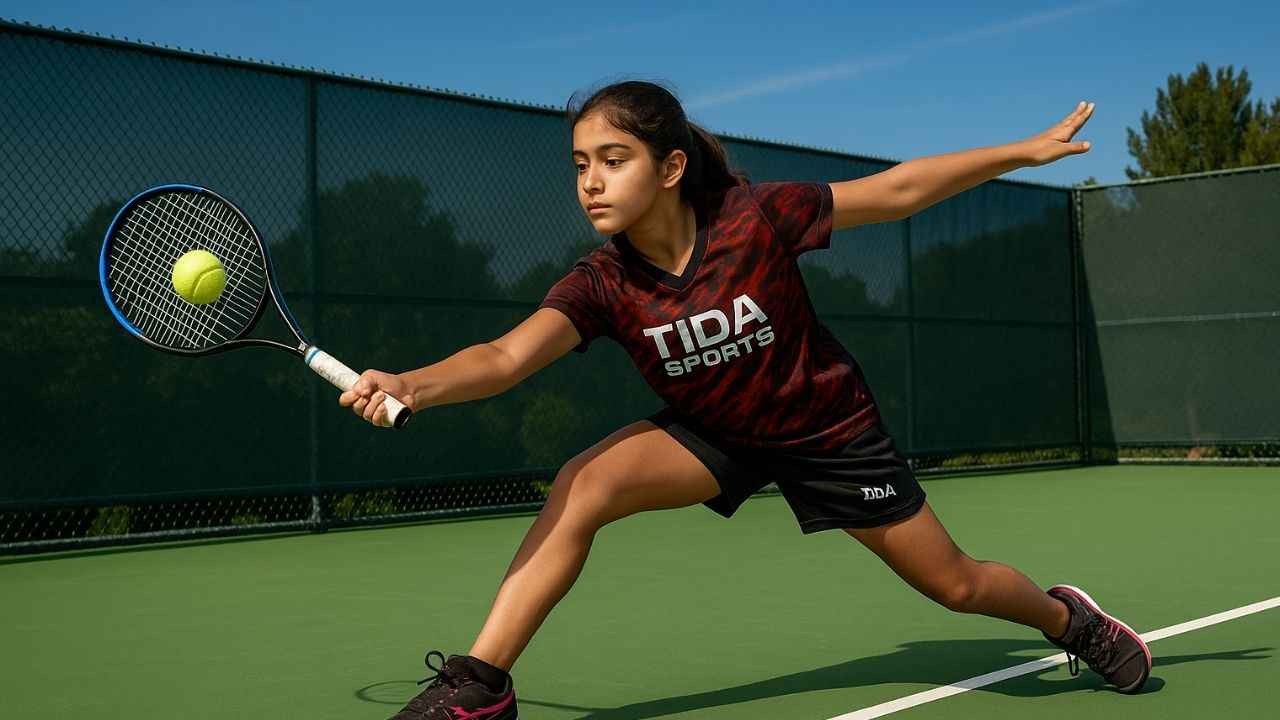
Lawn Tennis Hit
  • Points: 0 (Love), 15, 30, 40, Game
  • Deuce: When both players are at 40-40, it is deuce. One needs to win two points in succession to win the game.
  • Set: A set will include six games, and a player needs to win by a difference of at least two games.
  • Match: The matches can be best of five sets (men’s tennis) or best of three sets (women’s tennis).

2. Court and Equipment

Tennis Court

  • Court Dimensions: The official tennis court is 78 feet in length and 27 feet in width for singles, while in the case of doubles, it is 36 feet in width.
  • Net Height: The net stands 3 feet high in the center and 3.5 feet at the posts.
  • Ball and Racket: The ball should be yellow and have a diameter of 2.57 to 2.70 inches. Rackets are of different sizes but should meet international standards.

3. Serving Rules

  • The match begins with a serve from the back of the baseline.
  • The serve should fall in the opponent’s service box.
  • If the ball hits the net but falls in the right service box, it is a let serve and is redone.
  • Each player has two chances per serve; both failures lead to a double fault and point loss.

4. In-Play Rules

  • Players are required to hit the ball before it touches the ground twice in their court.
  • The ball should remain within the marked boundaries.
  • Players can employ different shots like forehands, backhands, volleys, and smashes.

Fouls and Violations

In order to ensure fair play, some actions are fouls in lawn tennis:

Lawn Tennis Racket and Ball

  • Foot Fault: Crossing the baseline or standing on it before hitting the ball while serving.
  • Double Bounce: When the ball doubles bounces before a player hits it back.
  • Net Touch: Touching the net when the ball is in flight.
  • Ball Out: Hitting the ball out of the court boundaries.
  • Racket Abuse: Players are not allowed to destroy their racket deliberately.
  • Code Violations: Comprises unsportsmanlike conduct, disputing decisions of officials, or slowing up the game.

Tiebreaker Rules

In the event a set is 6-6, a tiebreaker is applied:

Lawn Tennis Rules

  • The individual who wins by a margin of two points when seven points have been achieved in the tiebreaker wins the match.
  • Alternates serve after each two points.

Types of Tennis Courts

There are various tennis courts on which lawn tennis is played, with each influencing the game:

  • Grass Courts: Quick, low ball bounce.
  • Clay Courts: Slow, high bounce, ideal for baseline rallies.
  • Hard Courts: Balanced speed and bounce, employed in big tournaments.
  • Synthetic Courts: Used in sports academies and schools, providing durability and consistency.

Tennis in Sports Academies

Lawn tennis is one of the major sports in most sports academies in India, particularly in Chandigarh sports complexes and Punjab sports complexes. Those who want to become professional players usually train in sports schools or a sports academy close to me, where professional coaches assist in fine-tuning techniques.

How to Improve Your Tennis Game

Tennis Excellence
  • Join a Sports Academy: Look for a sports academy in India for professional training.
  • Practice Regularly: Regular practice enhances reflexes and endurance.
  • Use Quality Equipment: The correct racket and shoes may improve your performance.
  • Analyze Your Game: Review the match and seek coaching sessions.

Conclusion

Lawn tennis is a thrilling sport that demands talent, strategy, and practice. Knowledge of lawn tennis rules will allow for a level playing field and improve the gaming experience. Regardless of whether you play for recreational purposes or are training at a sports academy near me, the knowledge of these rules may help improve your game. From Chandigarh sports complexes to sports academies globally, tennis is one of the most popular sports played by millions. If you want to master the sport, become a member of a sports academy website and begin today!

Download App Links:


Posted on Leave a comment

Padel Rules Explained: A Beginner’s Guide to the Game

Padel Rules

Padel is quickly becoming popular globally, including in India. This exciting racquet sport, likened to pickleball and tennis, is played in a walled court, producing quick and thrilling rallies. Whether you are a beginner or a seasoned player, knowing the rules of padel is essential to mastering the game. This manual will teach you all there is to know, from court configuration to playing, scoring, and the rules you must know in order to reserve your next spot at a sports facility close to you.

What is Padel?

Padel Court

Padel is a racquet sport that fuses the game of tennis and squash. Played on a padel court surface, the sport is played in doubles form with a perforated padel racquet. In contrast to standard tennis, the ball is allowed to rebound off the walls, and hence it is a dynamic and strategic game. Padel is on the rise in India, with new padel courts opening in Mohali and Punjab cities.

Best Padel Sports Venue: Topshot

The Basics of Padel

1. Padel Court Design

  • A padel court is 20m x 10m in size and has walls of metal mesh and glass.
  • The court is divided into two halves by the net, just like in a tennis court.
  • The flooring is made up of synthetic surfaces, or padel court turf, for a better grip and performance.

2. Equipment Used

  • Padel Paddle: Smaller compared to a tennis racquet with a solid face and holes.
  • Padel Ball: Like a tennis ball but less pressurized.
  • Right Shoes: Sports shoes that won’t mark the turf are best for grip.

Padel Rules

Padel Serving

1. Rules of Serving:

  • The serve has to be delivered underhand, so the ball should bounce once before being struck below the waist.
  • The server is required to be behind the baseline and serve diagonally.
  • The ball has to land in the other side’s service box.
  • If the ball hits the net but lands in the right service box, it is a let and should be replayed.

2. Scoring System

  • Padel has the same scoring system as tennis: 0 (Love), 15, 30, 40, and Game.
  • A game has to be won with at least two points.
  • Games are normally played best-of-three or best-of-five sets.

3. Ball in Play

3. Ball in Play

  • The ball is permitted to rebound off the glass walls but not before it rebounds off the ground.
  • Players can pass the ball prior to the ball rebounding off the walls.
  • The ball is not permitted to rebound off the metal fencing unless it first rebounds off the ground.
  • Volleys are permitted, except for serves.

4. Double Bounce Rule4. Double Bounce Rule

  • The ball is required to be returned prior to rebounding twice.
  • If the ball rebounds twice before return, the point is awarded to the opponent.

5. Out of Bounds

  • The ball is out when it bounces off the fencing or walls, but not off the floor beforehand.
  • When the shot falls beyond the court yet is correctly returned, the shot is in play.
Finding a Padel Venue

If you want sports facilities around me, some padel facilities in India provide slot booking. You can get padel courts in Mohali, Punjab, and other places. Most facilities provide online or slot booking app slot booking, so it is convenient to book your playtime.

1. Booking a Padel Court

  • Go to a slot booking app or sports facility’s website.
  • Choose your desired slot booking time.
  • Full slot registration and validate your booking.

Tips for Playing Padel

1. Wall Rebound Mastery

  • Hone your skills in hitting balls off the walls to maneuver rebounds well.
  • Don’t hit the ball too forcefully; use controlled shots instead.

2. Communicate with Your Partner

  • Padel is primarily a doubles game, so good communication is essential.
  • Call out shots and movements to prevent misunderstandings.

3. Be in Position

  • Players must have a tactical position, guarding their own side of the court well.
  • Do not hurry the net unless you are sure about completing the point.

Conclusion

Padel is a thrilling and strategic sport that combines elements of tennis, squash, and pickleball. Whether you play in padel India courts, padel in Punjab, or searching for a sports venue around you, knowing the rules of padel can help improve your game. With the ease of online booking of slots, players can now play padel at high-end sporting arenas in India. So pick up your padel paddle, locate a padel court turf, and get playing today!

Download App Links:


Posted on Leave a comment

Mastering the Rules of Badminton: A Complete Guide

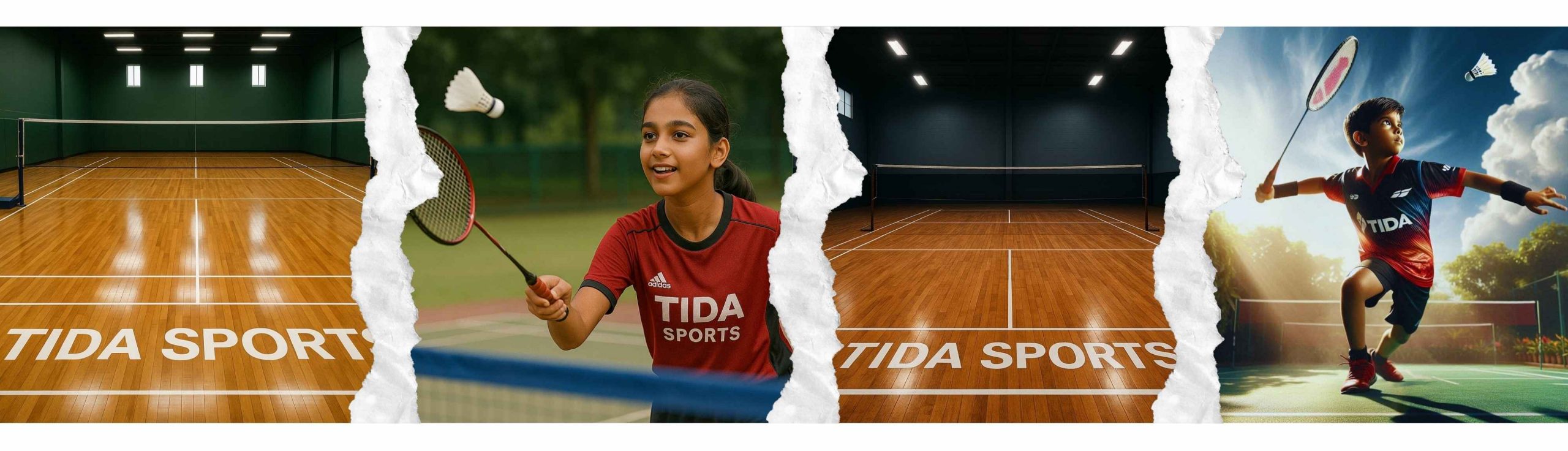
Badminton Rules

Badminton is a very popular sport globally, played by individuals of all ages. Whether you play for recreation, in sports schools, or competitively, it is important to know the rules to ensure fair play and to enhance your skills. This guide has all the information you need about the rules of badminton to get you ready for your next match.

1. Fundamental Badminton Rules

Badminton is played on a rectangular court with a net separating it into two halves. Players employ rackets to strike a shuttlecock over the net, seeking to make it fall in the opposite player’s court. Badminton may be played either in singles (one against one) or doubles (two against two).

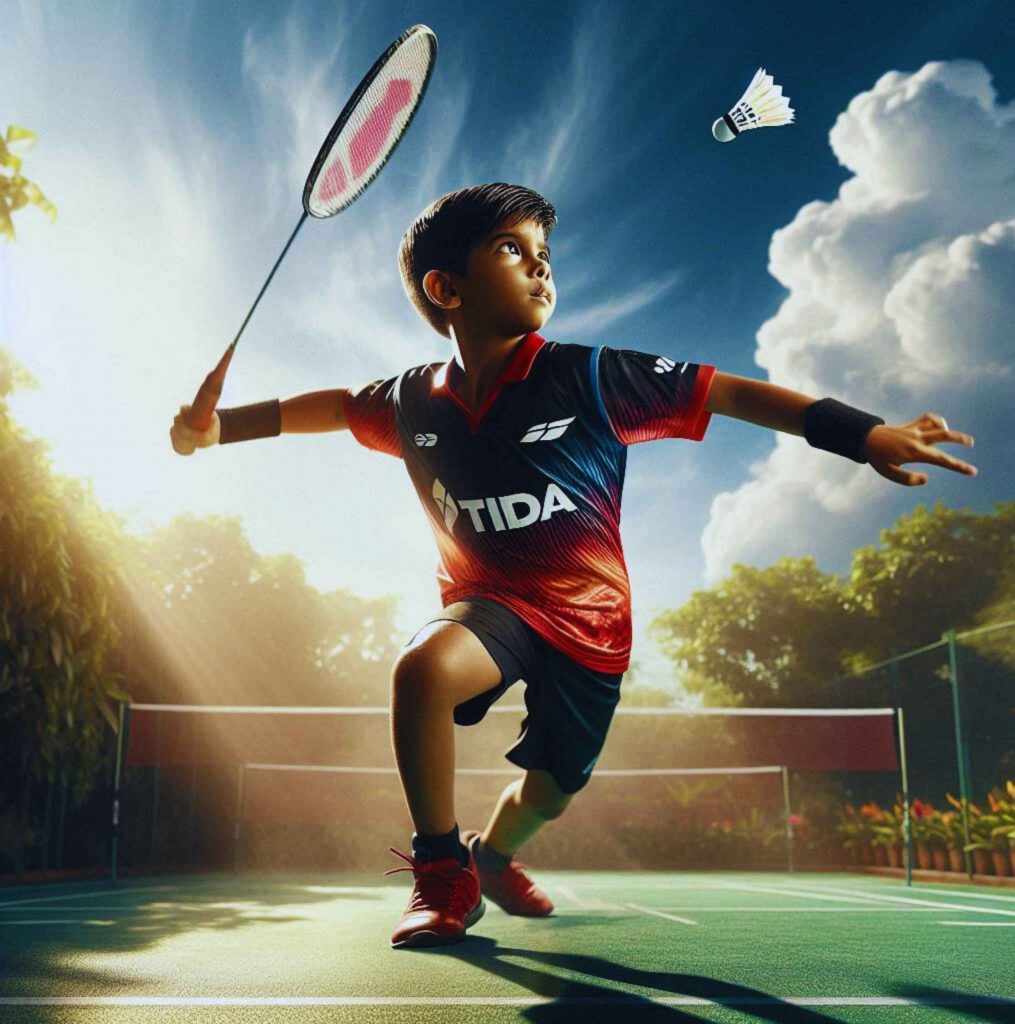
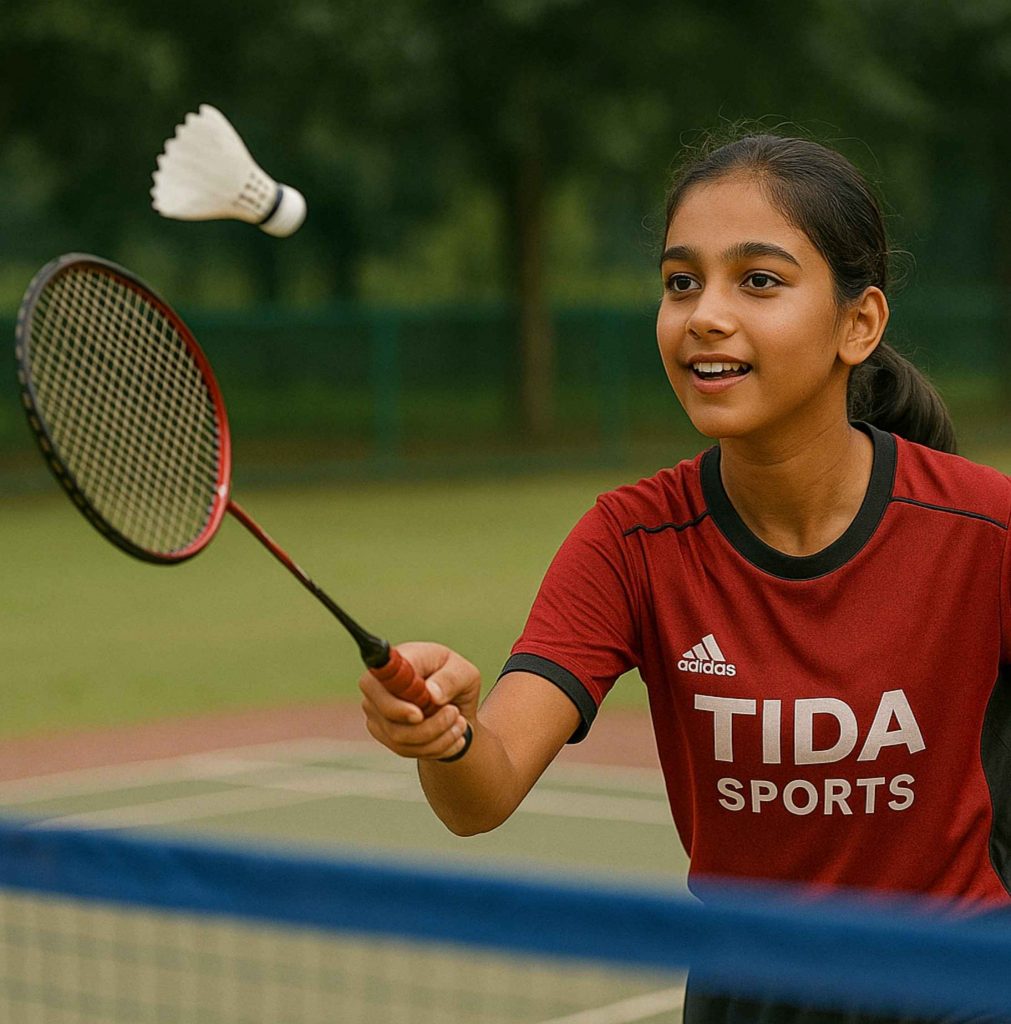
Badminton Hit

Scoring System

  • A match comprises the best of three games, with each being played to 21 points.
  • Points are accumulated on each serve (rally scoring system).
  • When the score is 20-20, the game will go on until a player or team is two points ahead.
  • The player or team who is first to have 30 points wins the game when the score is 29-29.

Serving Rules

  • The serve should be below the waist.
  • The shuttle has to land in the appropriate service court.
  • For doubles, the server will switch between partners after securing a point.
  • There is a fault called when the server fails to make the shuttle or serves outside the lines.

You May Also Like: Best Sports Badminton Academies for Kids

2. Court Size and Equipment

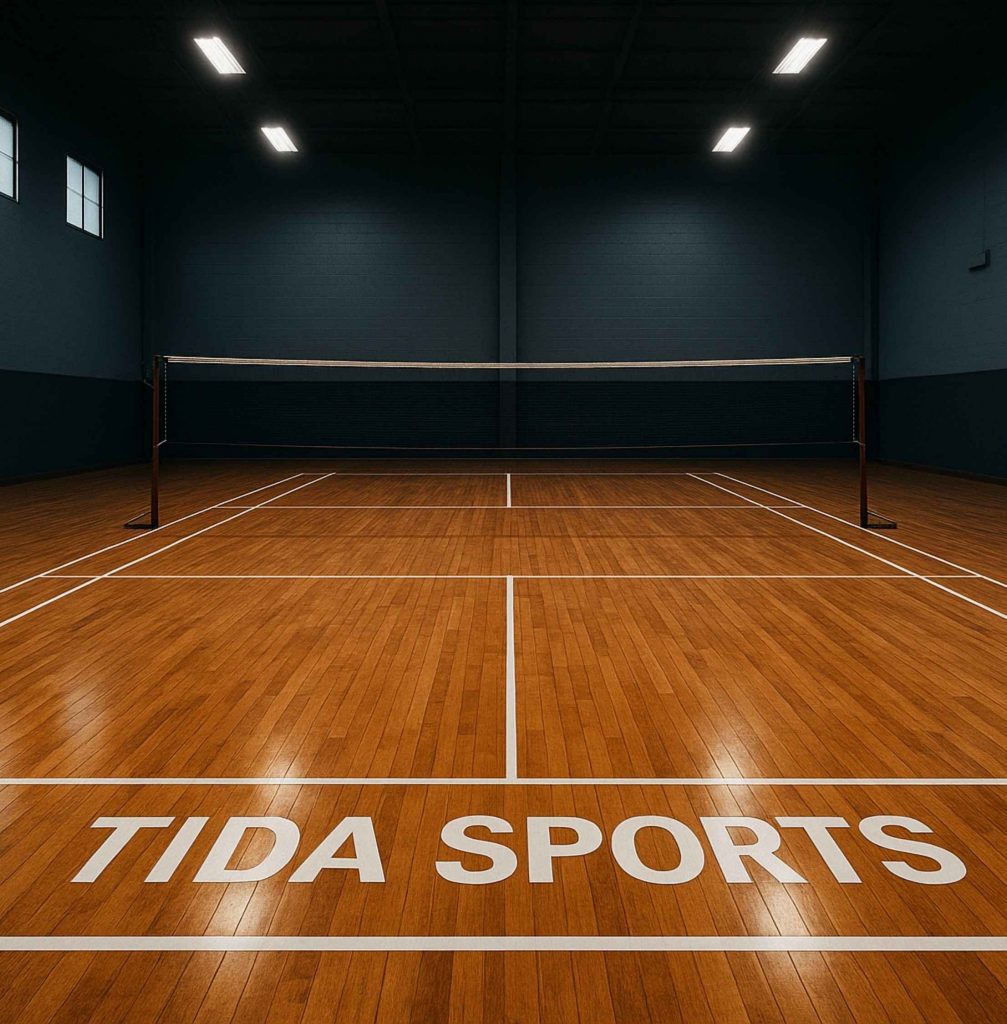
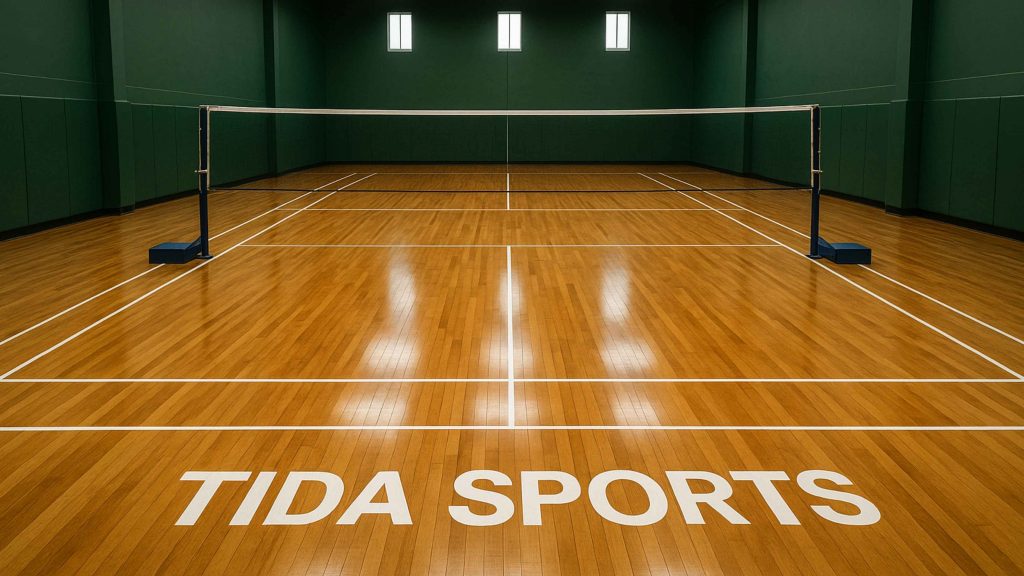
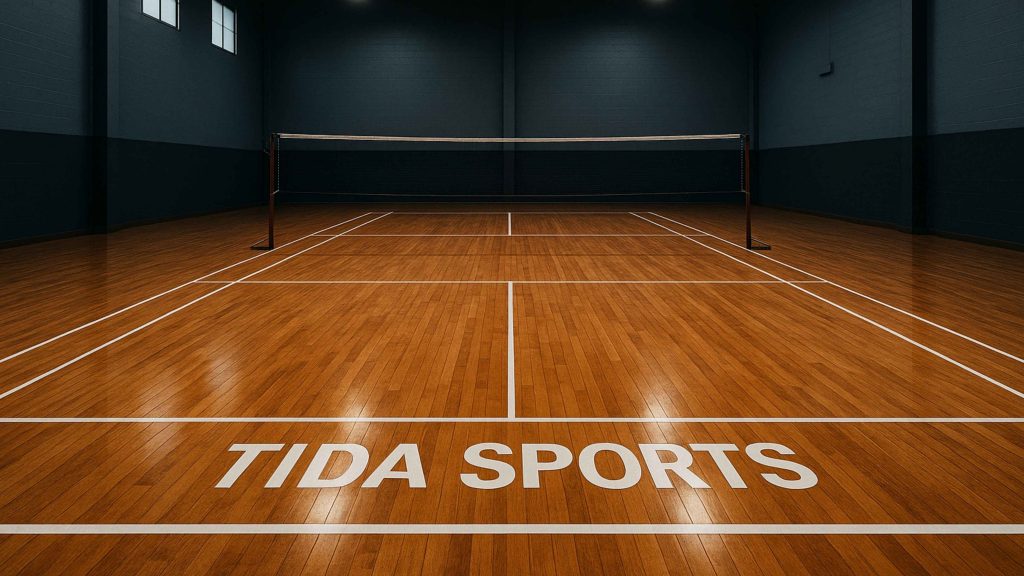
Badminton Turf

Court Size

  • The singles court is 13.4 meters long and 5.18 meters wide.
  • In doubles, the width is 6.1 meters.
  • The net is 1.55 meters at the sides and 1.524 meters at the center.

You may also like: “Mastering the Rules of Cricket: A Complete Guide

Equipment Used

  • Racket: Light, carbon fiber or aluminum material.
  • Shuttlecock: Feather or synthetic material.
  • Shoes: Badminton shoes with non-marking soles offer support and grip.

3. Faults and Fouls in Badminton

A fault is committed by a player if they:

  • Do not return the shuttle into the opponent’s court.
  • Hit the shuttle over the net or out of bounds.
  • Make contact with the net using their racket or body.
  • Strike the shuttle before it passes over the net.
  • Serve improperly.

4. Doubles vs. Singles Rules

Singles

Doubles vs. Singles

  • Serve from the right side when their score is even and the left side when odd.
  • The court is less wide than in doubles.

Doubles

Badminton Rules

  • There is only one serve on each side per turn.
  • Partners trade serves after they have won points.

5. Winning Strategies in Badminton

To better your badminton skills, practice the following winning strategies:

  • Footwork: Shift quickly and effectively around the court.
  • Smashes and Drops: Utilize strong smashes and false drop shots to make opponents uncertain about what to do.
  • Positioning: Stay in a prepared position and expectant of opponent action.
  • Consistency: Don’t make unforced errors and aim for precise shots.

6. Where to Learn and Play Badminton

You may also like: “Football Rules Explained: A Guide for Players & Fans“.

If you wish to enhance your badminton skills, join sports academies. There are numerous options, including:

Learn and Play Badminton
  • Sports Academies in Punjab and Chandigarh: Excellent training facilities.
  • Nearest Sports Academy: Locate a badminton sports center in your area.
  • Private Sports Coaching: For one-on-one training.
  • International Sports Academy: Professional-level training.

Conclusion

Badminton is an exciting and competitive game that has basic but accurate rules. Be it a novice player or a highly skilled one, knowing the rules of badminton is instrumental in becoming a master in the game. Look for an academy nearby or a badminton training school to train your skills. Practice regularly, remain physically fit, and play on!

Download App Links: